
















Decorative accessories that make you look like a designer—I swear, the first time I heard that phrase, I rolled my eyes so hard I almost saw my own brain. Because please. I am not a designer. I once hung curtains upside down and lived like that for three months because I refused to admit defeat.
But here’s the thing (and this surprised me): accessories? They do the heavy lifting. Like, suspiciously so.
This is not a blog about spending thousands of dollars or suddenly developing taste overnight. This is about those little things—the stuff people notice after they’ve already decided your place feels “nice.” You know, the “Wow, your house feels so put together” compliment that makes you nod calmly while screaming internally, IT DOES??
Anyway. Coffee’s getting cold. Let’s talk
The Moment I Realized Accessories Were Doing All the Work
I used to think designers had some secret gene. Like cilantro tolerance. You either have it or you don’t.
Then one day a friend came over, looked around my very average apartment, and said,
“Wow. This feels… curated.”
Curated.
I had a laundry basket visible. A plastic one.
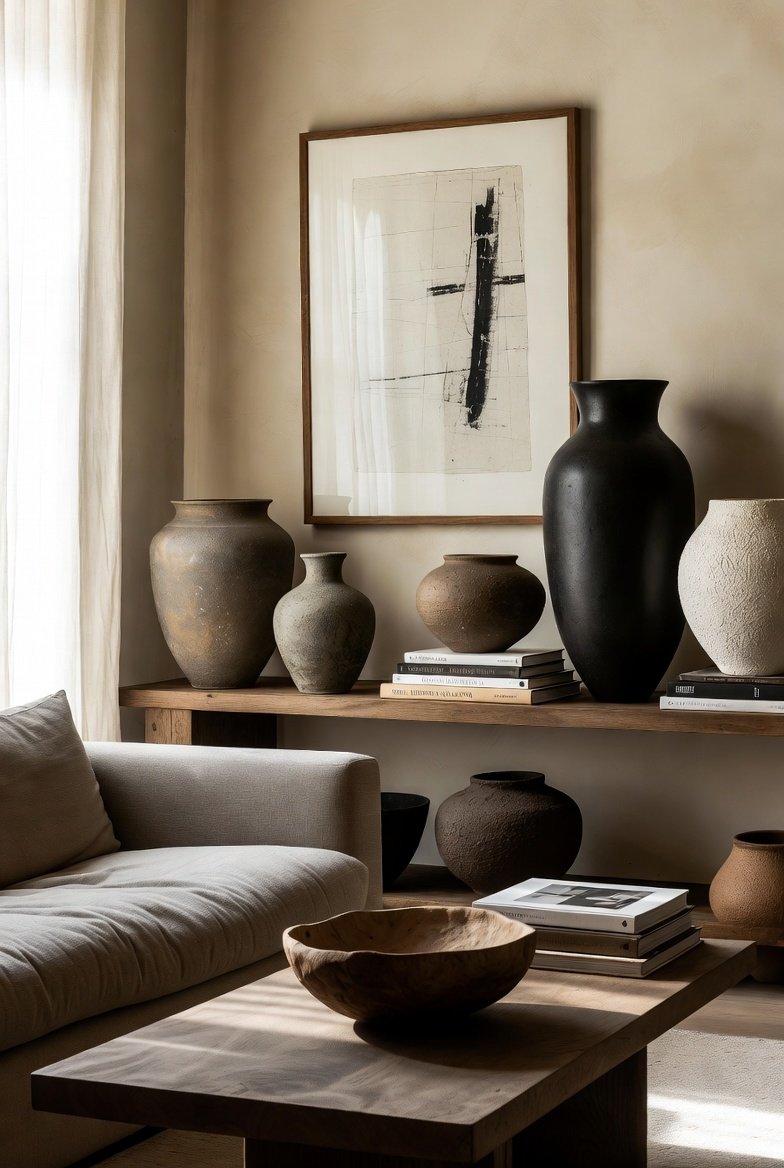
Turns out what she was reacting to wasn’t my furniture (IKEA, emotionally fragile) but the decorative accessories sprinkled around. A weird ceramic bowl I found at a flea market. A stack of coffee table books I hadn’t actually read. A lamp that looked expensive but absolutely was not.
That’s when it clicked: designers don’t just pick couches. They accessorize like their life depends on it.
And once you see it, you can’t unsee it.
Why Decorative Accessories Matter More Than Furniture (Hot Take)
Furniture is loud. Accessories are sneaky.
A couch says, “I exist.”
A decorative object says, “I have a point of view.”
Designers know this. They’ll put a completely normal sofa in a room and then casually add:
- A sculptural object that makes no practical sense
- A tray with exactly three things on it
- A plant that looks alive but not needy
Suddenly the room feels intentional. Like choices were made. Even if they were made at 2 a.m. after scrolling too long.
Decorative Accessories That Make You Look Like a Designer (Yes, These Ones)
1. Sculptural Objects That Do Absolutely Nothing
I used to avoid these because… why own something that doesn’t do anything?
Now I own several. Growth.
Think:
- Abstract ceramic shapes
- Stone or wood objects with weird curves
- Things that make guests ask, “What is that?”
Your answer should always be vague.
“Oh, that? I just liked the form.”
Boom. Designer energy.
Pro tip: One sculptural object per room is enough. Two if you’re feeling bold. Three and people start worrying about you.
2. Trays (The Unsung Heroes of Fake Organization)
If there’s one thing decorative accessories taught me, it’s this:
Put stuff on a tray and suddenly it’s intentional.
Remote controls? Tray.
Candles you never light? Tray.
Random object you found and refuse to throw away? Tray.
Designers use trays to visually say, “Yes, these items belong together. I meant this.”
Wood, stone, metal—doesn’t matter. Just please don’t overfill it. Negative space is doing more than you think.
3. Coffee Table Books (That You May or May Not Read)
Let’s be honest. No one is reading that massive book on modern architecture cover to cover.
But stacked? Slightly messy? With a small object on top?
Chef’s kiss.
Designers love coffee table books because they:
- Add height
- Add personality
- Make you look cultured-adjacent
Bonus points if the subject vaguely matches your interests. Or at least the vibe you’re pretending to have.
4. Lamps That Feel Like Jewelry for the Room
Overhead lighting is a crime. I said what I said.
Designers layer light the way normal people layer clothes. Table lamps, floor lamps, small accent lamps—they all count as decorative accessories and mood-makers.
A lamp with:
- An interesting base
- A textured shade
- Or just slightly weird proportions
…will elevate an entire room. Even if the rest of the space is doing the bare minimum.
5. Art That Isn’t Trying Too Hard
This one took me years to understand.
Designer-looking art is rarely:
- Perfectly centered
- Overly matchy
- Explaining itself
Think:
- One large piece leaning against the wall
- A small gallery wall that feels accidental (it wasn’t)
- Something abstract that makes people squint
If someone asks, “What does it mean?”
You shrug.
“I just liked it.”
That’s it. That’s the vibe.

The Secret Sauce: Restraint (Ugh, I Know)
Here’s the annoying truth I fought for years:
Designers don’t use more accessories. They use better-edited ones.
If every surface has something on it, nothing stands out.
Try this:
- Remove half your accessories. (Painful, I know.)
- Put back only the ones you genuinely like.
- Leave some surfaces empty on purpose.
Empty space isn’t boring. It’s confident.
Personal Confession: I Still Get It Wrong Sometimes
I once styled a shelf that looked amazing… in photos.
In real life? It fell over. Loudly. While I had guests.
A marble object shattered. A plant died in sympathy.
Designers don’t talk about that part.
The point isn’t perfection. It’s attempting. Adjusting. Moving things around until it feels right—or at least less wrong.
Accessories Designers Love (But Won’t Admit Are Simple)
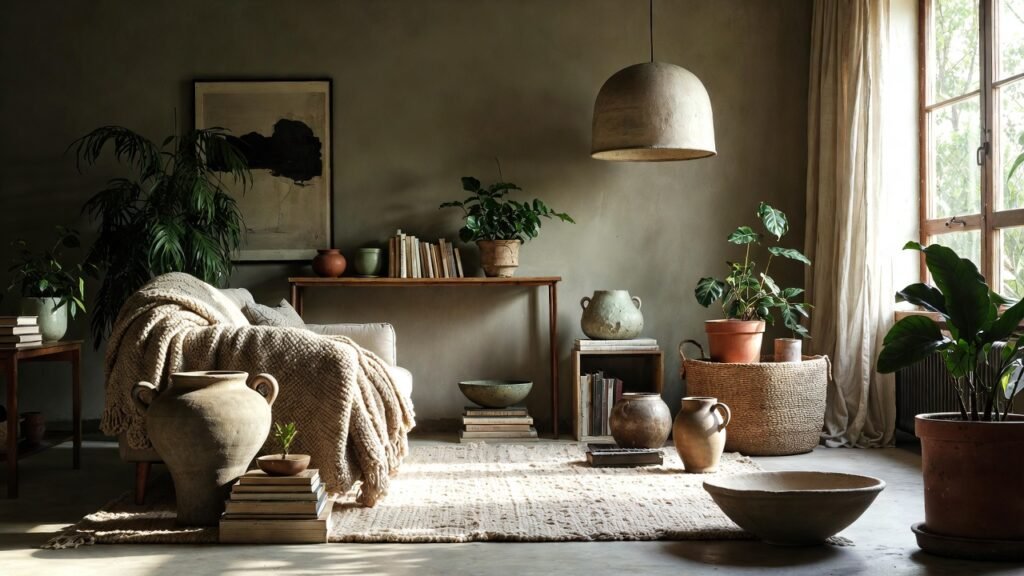
- Bowls with nothing in them
- Books used as pedestals
- Plants that aren’t flowering (too distracting)
- Objects with texture over color
It’s not magic. It’s repetition and restraint.
A Quick Word on Trends (Don’t Chase Them)
Trends move faster than my motivation on Mondays.
If you love it, keep it.
If it makes your space feel like you, it works.
Designers rotate accessories all the time anyway. Nothing is permanent. That’s kind of the fun part.
Random Places Accessories Work Shockingly Well
- Bathrooms (yes, even tiny ones)
- Entry tables you forgot existed
- Kitchen counters (just don’t block the coffee machine)
A small accessory in an unexpected place feels intentional. Like, “Oh, they thought about this.”
Even if you didn’t.
Outbound Links (Because Why Not)
- A fun rabbit hole on interiors: https://www.apartmenttherapy.com
- For design inspo spirals at 1 a.m.: https://www.archdigest.com
Final Thought (Not a Conclusion, Don’t Worry)
Looking like a designer isn’t about knowing rules. It’s about breaking them confidently. Or at least pretending you meant to.
Decorative accessories are forgiving. They let you experiment without commitment. You can move them, swap them, hide them when guests come over and you panic.
And honestly? That’s kind of comforting.
You don’t need a degree or need perfect taste. You just need a few objects you like—and the confidence to let them sit there like they belong.
Because maybe… they do.