















The first time I realized I desperately needed smart space planning tips, I was living in a tiny apartment where opening the fridge meant closing the door to the bathroom. No exaggeration. If I wanted milk and dignity, I had to plan ahead. And that’s when it hit me—space isn’t about square footage. It’s about strategy. And maybe a little creativity. And accepting that you own too many mugs.
I’ve written a lot of blog posts over the years. Some were great. Some were… learning experiences. This one? This one comes from bumping into furniture, tripping over storage bins, and having deep emotional conversations with a tape measure at 11:47 p.m. on a Tuesday.
So grab a coffee. Or wine. Or whatever you drink when you’re about to rearrange your entire living space “real quick” and accidentally start a three-day project.
The Lie We Tell Ourselves: “I Just Need More Space”
No.
You don’t.
I mean, sure, more space would be nice. I’d also like a private chef and knees that don’t crack when I stand up. But what we actually need is better planning.
I’ve seen giant houses that feel cluttered and cramped. And I’ve seen studio apartments that feel calm and intentional and… unfairly put together.
The difference? Someone actually thought about how they live.
Not how they wish they lived. (I wish I hosted dinner parties weekly. I do not.)
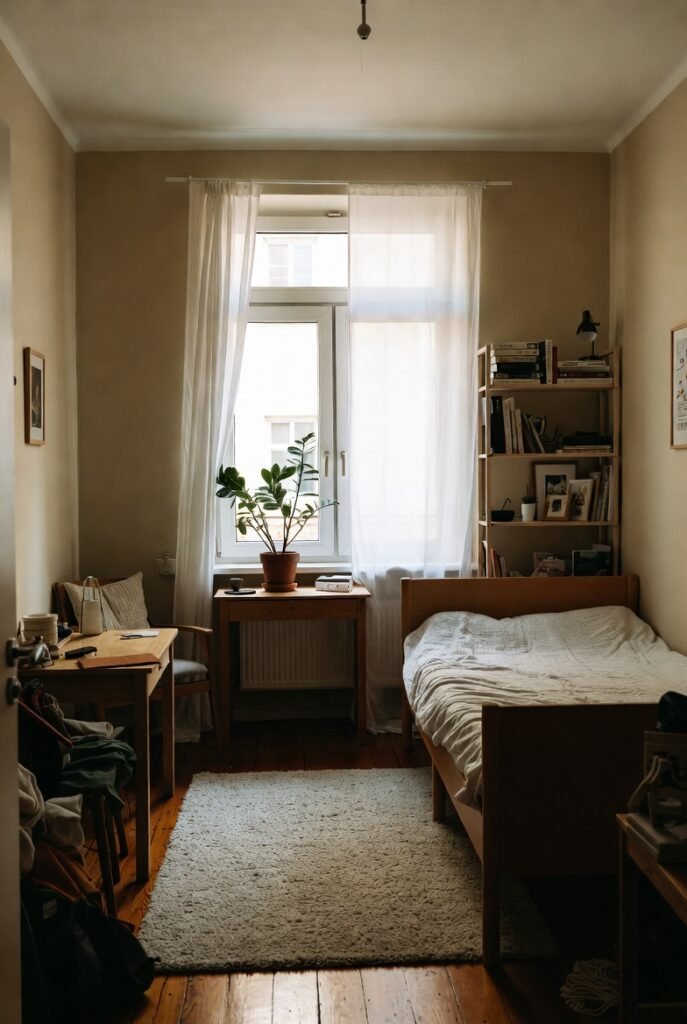
Start With How You Actually Live (Not the Fantasy Version)
This is uncomfortable. But necessary.
Ask yourself:
- Do I sit on the couch… or the floor?
- Do I eat at a table… or over the sink?
- Do I really need four chairs?
When I planned my last space, I realized something mildly embarrassing: I never used my dining table. Ever. It became a very expensive mail-holding surface.
So I ditched it.
That one decision freed up space, light, and my soul.
Smart space planning tips start with honesty. Brutal honesty. Like, “Why do I own this?” honesty.
Furniture That Does One Thing Is Kinda Suspicious
Hot take.
If your furniture only does one job, it better be really good at it.
Otherwise? It’s taking up valuable real estate.
Some MVPs:
- Beds with storage underneath
- Ottomans that open
- Benches that hide chaos
- Desks that fold away like they’re shy
I once bought a coffee table that lifted up into a desk and felt like I’d hacked the system. I told everyone. Even people who didn’t ask.
“She looked at me and said, ‘You’re proud of a table?’”
Yes. Yes, I was.
Vertical Space: The Most Ignored Hero in the Room
Why do we forget walls exist?
I did. For years.
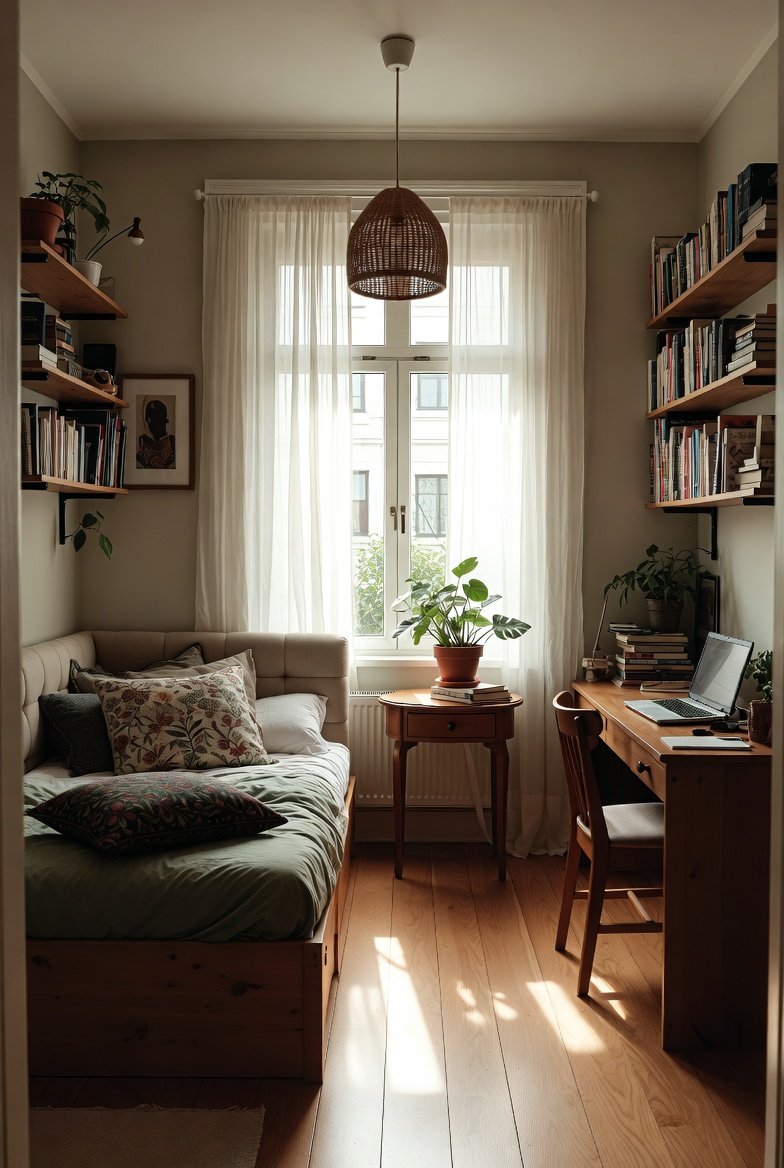
Floating shelves. Tall bookcases. Wall hooks. Pegboards.
All of it matters.
When you start thinking up instead of out, everything changes. Suddenly the floor can breathe. You can walk without doing parkour.
Also—walls don’t judge you. Put stuff on them.
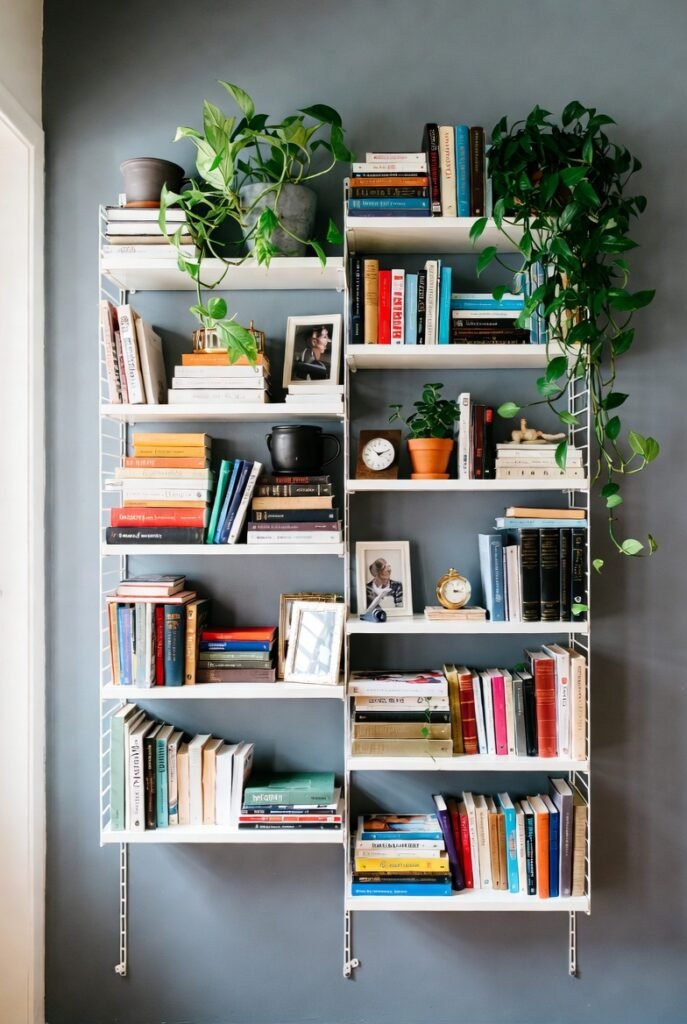
Zones, Not Rooms (Especially in Small Spaces)
This one was a game-changer for me.
Instead of thinking “living room” or “bedroom,” think:
- Sleeping zone
- Working zone
- Chilling-on-my-phone-for-way-too-long zone
Rugs help. Lighting helps. Even the direction furniture faces helps.
You don’t need walls to separate functions. You just need cues.
Your brain likes cues.
Storage Isn’t About Hiding Everything (It’s About Editing)
Confession: I used to think good storage meant shoving everything into bins and calling it a day.
Wrong.
Good storage means:
- Easy access
- Clear categories
- And yes… fewer things
I once labeled a bin “misc.” That bin is now a crime scene.
If you haven’t used something in a year, it’s not sentimental. It’s just taking up space.
(I’m saying this while side-eyeing my own closet.)
The “Dead Space” Is Lying to You
That weird corner.
That space under the stairs.
That awkward gap next to the fridge.
It’s not dead. It’s just misunderstood.
Slim shelves. Rolling carts. Custom-ish solutions that aren’t actually custom.
I once turned a 6-inch gap into a spice rack. I felt unstoppable.
Smart space planning tips often live in those weird in-between spots we ignore because they’re annoying to deal with.
Deal with them anyway. Future you will thank you.
Light = Space (This Is Not Optional)
Dark spaces feel smaller. Period.
If you can:
- Use lighter colors
- Add mirrors
- Switch heavy curtains for sheer ones
Do it.
I added a mirror once and thought, “Wow, I’m basically an interior designer now.”
I was not. But it helped.
Lighting matters too. One overhead light makes everything feel like a waiting room. Multiple light sources? Cozy. Intentional. Spacious.
Stop Pushing All the Furniture Against the Wall
I know.
It feels safer.
But floating furniture—even just a little—creates depth. It gives the room shape. It says, “Someone thought about this.”
I moved my couch six inches away from the wall and suddenly the room felt bigger. Six inches! That’s nothing!
But also everything.
Your Space Should Work With You, Not Against You
If you’re constantly moving things to do basic tasks, that’s a sign.
Smart space planning tips aren’t about perfection. They’re about flow.
Can you:
- Walk easily?
- Sit comfortably?
- Find things without swearing?
If yes, you’re winning.
A Couple Places I Love for Small Space Inspiration
- Apartment Therapy (especially their real-life tours): https://www.apartmenttherapy.com
- Never Too Small on YouTube (dangerously inspiring): https://www.youtube.com/@NeverTooSmall
Fair warning: you may feel the urge to reorganize everything immediately.
One Last Thought (Not a Conclusion, Relax)
Your space doesn’t need to look like a magazine.
It needs to feel like you can live there without losing your mind.
Messy is okay. Imperfect is fine. Functional beats fancy every time.
And if you mess it up? Cool. Move things around. Try again.
That’s kind of the whole point.