













Dining room design tips that make every meal feel special used to sound like something meant for people who host dinner parties with place cards and linen napkins. Not me. I’m the person who once ate spaghetti standing up over the sink because I didn’t feel like sitting down. So when I say this stuff matters, I’m not coming from a “magazine-perfect home” place. I’m coming from a real-life, slightly chaotic, US-based human who has spilled red sauce on at least three chairs place.
And yet—somewhere along the way—I realized something weird. The way your dining room feels can totally change the way you eat, talk, linger, laugh, even argue (less yelling, more sighing). Like… food tastes better when the room feels good. Is that science? I don’t know. But I feel it in my bones.
So yeah. Let’s talk about dining room design tips that make every meal feel special—even if that meal is frozen pizza and a half-hearted salad you didn’t finish.
The Dining Room I Grew Up With (AKA: The Room We Never Used)
Quick backstory.
Growing up, our dining room was basically a museum. No touching. No eating unless it was a holiday. Chairs pushed in so perfectly it felt illegal to sit there. The light fixture was always off. Always.
So naturally, I grew up thinking dining rooms were… useless? Like decorative commas in a house. Pretty, but unnecessary.
Then adulthood happened. And suddenly I cared. A lot. Probably too much.
Tip #1: Stop Treating the Dining Room Like a Showroom
This is the first and maybe most important of all dining room design tips that make every meal feel special: use the room. Mess it up a little. Let it live.
If your dining table is always spotless, ask yourself—why? Are you waiting for royalty? Is Martha Stewart coming over unannounced?
My table has scratches. One corner wobbles. There’s a tiny burn mark from a candle incident I don’t want to relive. And somehow, that makes every meal feel… real. Welcoming. Like, “Come sit. We eat here.”
Perfection is cold. Lived-in is warm.
Tip #2: Lighting Will Do 80% of the Work (Seriously)
Overhead lighting alone? Brutal. Interrogation vibes. Makes everyone look tired and the food look sad.
I learned this the hard way after a friend said, “Why does your pasta look mad at me?”
Now I swear by:
- A dimmable overhead light (game changer)
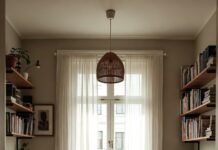
- Or a pendant light hung lower than you think
- Or even just candles on random weeknights because… why not?
One night I lit two candles for a Tuesday dinner and my partner goes,
“Are we celebrating something?”
I said, “Surviving.”
That’s the vibe.
Tip #3: Chairs Matter More Than the Table (Hot Take)
People obsess over dining tables. Solid wood! Farmhouse! Extendable! Cool cool cool.
But if the chairs are uncomfortable? Nobody stays.
I once bought chairs that looked amazing and felt like sitting on regret. Dinners were short. Guests leaned forward. Everyone left early. Tragic.
Comfortable chairs = lingering meals = better conversations. This is not an exaggeration.
Mismatched chairs? Even better. That alone can make a meal feel special in a “we’re not trying too hard” way.
Tip #4: The Table Doesn’t Need to Be Huge — The Feeling Does
Small dining room? Tiny apartment? Same.
You don’t need a massive table. You need closeness. Proximity. Knees bumping. Passing plates hand to hand.
Some of my favorite meals happened at a round table barely big enough for four plates and a bottle of wine we probably shouldn’t have finished.
If space is tight:
- Go round or oval
- Skip bulky bases
- Let the table feel approachable, not intimidating
That’s one of those dining room design tips that make every meal feel special without spending a ton of money (or square footage).
Tip #5: Don’t Over-Decorate the Table (Leave Room for Life)
You ever go to sit down and there’s nowhere to put your plate because the table is doing the most?
Runner. Centerpiece. Tray. Vase. Bowl. Candles. Sculpture? Why.
I keep it simple:
- One thing in the center (usually a bowl or plant)
- Everything else gets moved when food arrives
That way the table is ready for actual eating, not just existing.
Tip #6: Color Affects Appetite (And Mood, Let’s Be Honest)
I didn’t believe this until I painted our dining room a warm, slightly moody color. Not dark-dark. Just… cozy.
Suddenly:
- We sat longer
- Meals felt intentional
- Even takeout felt like an event
White walls are fine. But warm tones—olive, clay, soft blue, even muted yellow—do something to your brain. They whisper, Stay.
If you’re scared of paint, start with:
- A rug
- Curtains
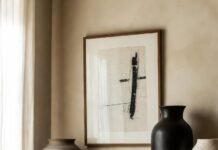
- Artwork with warmth
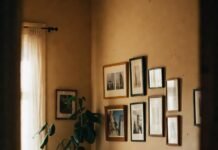
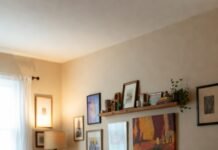
Tip #7: Personal Stuff > Perfect Decor
This is where dining room design tips that make every meal feel special get personal.
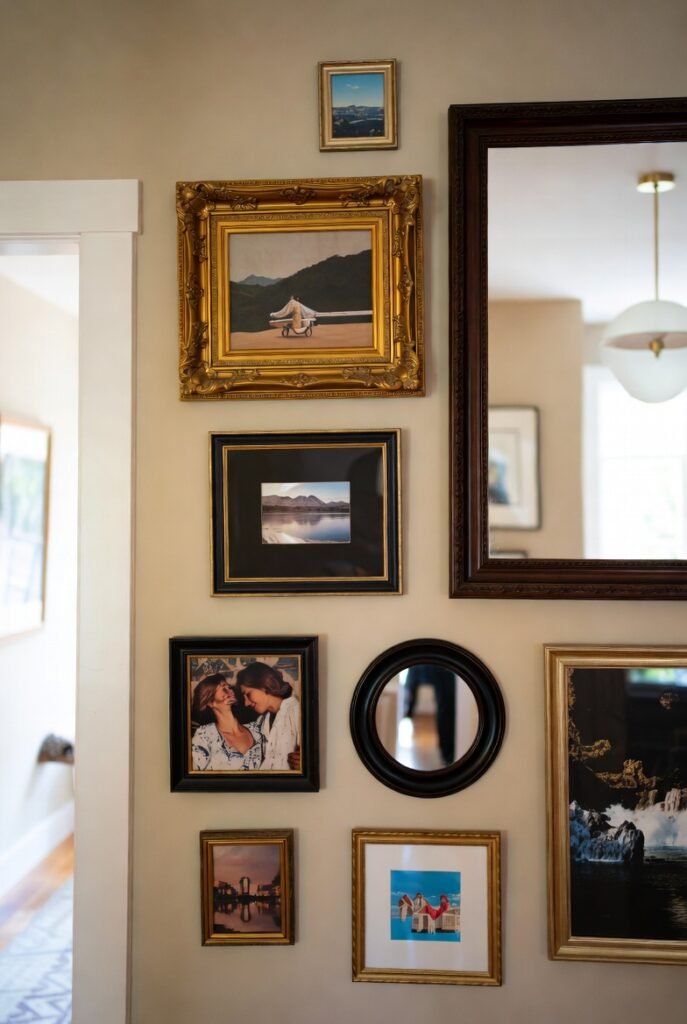
Put things in the room that mean something to you.
In mine:
- A weird thrifted mirror
- A framed menu from a trip we loved
- A photo that makes me laugh every time I see it
Guests always ask about these things. Conversations start. Stories happen. Food gets cold because we’re talking too much. That’s the good stuff.
Tip #8: Rugs Are Risky but Worth It
Yes, rugs under dining tables are controversial and spills will happen. Yes, you will regret it at least once.
But also—rugs anchor the space. They soften sound and make chairs feel grounded. They make the room feel finished.
Just:
- Go bigger than you think
- Choose something forgiving (patterned > solid)
- Accept that life includes stains
I follow a food blogger who once said, “If your rug has never been spilled on, are you even eating?” I felt seen. (I think it was on The Kitchn, which always makes me feel less alone in kitchen-related chaos.)
Tip #9: Music Counts as Design (Fight Me)
This might not be in traditional dining room design tips lists, but it should be.
Soft music changes everything. Jazz. Old-school R&B. A random nostalgic playlist that reminds you of road trips.
One night I put on an early-2000s playlist and suddenly dinner turned into a whole conversation about burned CDs and LimeWire and how we all survived that era.
Design isn’t just visual. It’s emotional.
Tip #10: The Dining Room Is About Moments, Not Meals
Some of the most special “meals” in my dining room:
- Dessert only
- Wine and bread
- Takeout containers still in the bag
- Midnight cereal
The room doesn’t care what you’re eating. It cares that you’re there.
That’s the secret behind dining room design tips that make every meal feel special. They’re not about impressing anyone. They’re about making space for moments you don’t plan.
A Quick, Slightly Messy Recap
If you skimmed (no judgment):
- Use the room
- Fix the lighting
- Choose comfort over perfection
- Make it personal
- Let it be imperfect
That’s it. That’s the magic.